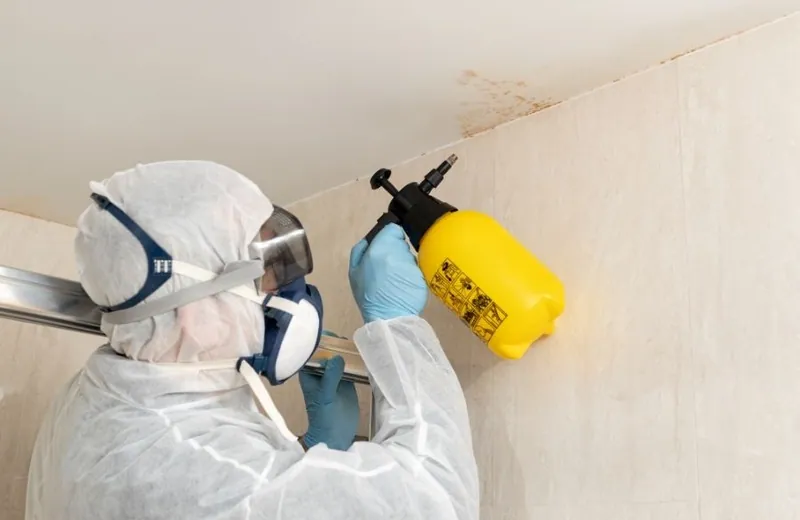
Will my insurance cover crime scene cleanup, and will I have to pay anything?
In many cases, you won't pay anything out of pocket. Most homeowner's policies cover trauma, unattended death, and crime scene cleanup, usually subject only to your deductible. For violent crimes, the Texas Attorney General's Crime Victims' Compensation program may reimburse eligible costs for qualifying victims. We contact your insurer directly, provide photos and itemized documentation, and help with victim compensation applications. If any gap remains, financing is available. Call us before you worry about money. We'll go over your coverage with you first.
How quickly can you get to my property?
We answer 24/7 and usually arrive the same day within our 20-mile radius around Dripping Springs. Rural properties off FM 150, Fitzhugh Road, or Hamilton Pool Road may take a little more planning. Gate codes, low-water crossings, and spotty cell service are common out here, so we confirm directions and a meeting point when you call. In summer heat, speed matters. Every day of delay can let fluids and odor spread farther into the home.
Can cleanup start right away, or do we need permission first?
Cleanup can begin only after the scene has been released. In Dripping Springs and unincorporated Hays County, the Hays County Sheriff's Office usually handles scenes, and a Justice of the Peace orders inquests because Hays County has no medical examiner's office. In Travis County areas like Bee Cave and Lakeway, the Travis County Medical Examiner may be involved, and cities like Buda, Sunset Valley, and Lakeway have their own police. We'll confirm the release with the right agency, so you don't have to.
How long does the cleanup take?
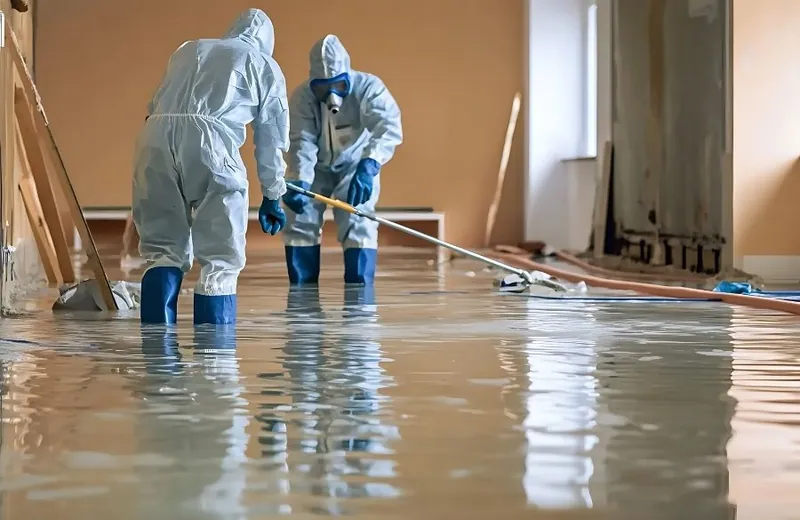
Most jobs take one to three days. A contained blood cleanup may be finished in a single day. An unattended death with advanced decomposition can take longer, because it often involves removing flooring, encapsulating the slab or subfloor, cleaning HVAC ducts, and running ozone or hydroxyl treatment for several days. Large open-plan homes in Belterra or Headwaters can also extend the timeline. We'll give you a clear estimate after the assessment and keep you updated.
Is it safe to clean it up myself?
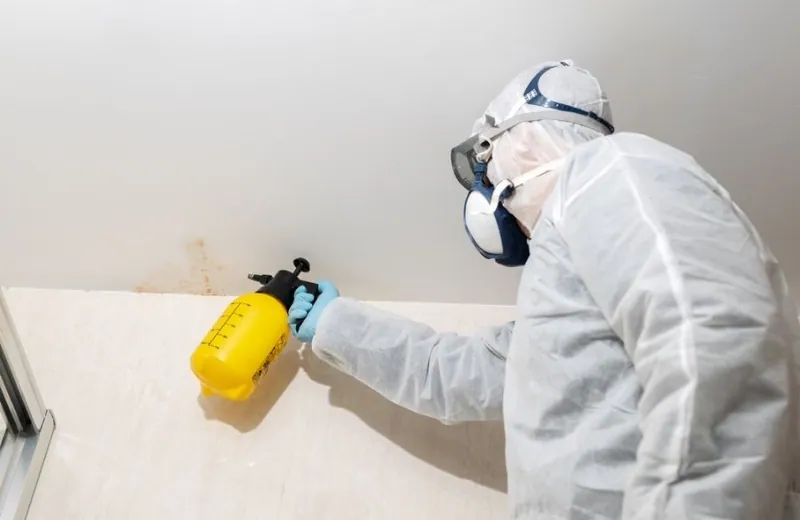
We strongly advise against it. Blood and bodily fluids can carry hepatitis B and C and HIV, and fentanyl residue can be dangerous even in tiny amounts. Household cleaners often spread contamination instead of removing it, and porous tile and wood hide fluids below the surface. Rinsing waste into a septic system or onto karst soil can also contaminate private wells. Texas rules require biohazardous waste to go through a registered medical-waste transporter, not your trash.
How can I prevent an unattended death from going unnoticed?
For older relatives living alone in Lakeway, Woodcreek, Wimberley, or on rural acreage, set up daily check-in calls or texts, a medical alert device, or a neighbor who checks in. Smart thermostats that send alerts can flag AC failures in summer, and that matters because heat speeds up decomposition. During events like the February 2021 freeze, check on isolated neighbors in person. If you can't reach someone, request a welfare check from the Hays or Travis County Sheriff.
When should I call a professional instead of waiting?
Call as soon as the scene is released, or right away if you notice a strong sweet odor, unusual fly activity, staining at baseboards, or fluid under flooring. In Hill Country summer heat, contamination spreads into subfloors and ductwork within days, which makes the job bigger and more disruptive. Venue owners and short-term rental hosts should call immediately to protect upcoming bookings. Even if you're unsure what's covered, call. We'll explain your options with no pressure.
Will my neighbors or HOA know what happened?
Not from us. We arrive in unmarked vehicles, wear standard work clothing outside, and keep waste containers staged out of sight. Communities like Belterra, Headwaters, and Lakeway often have rules about signage, parking, and dumpsters, and we work within them. We don't discuss your situation with anyone except the people you authorize, such as your insurer, an estate executor, or a property manager. Discretion matters to us as much as it does to you.